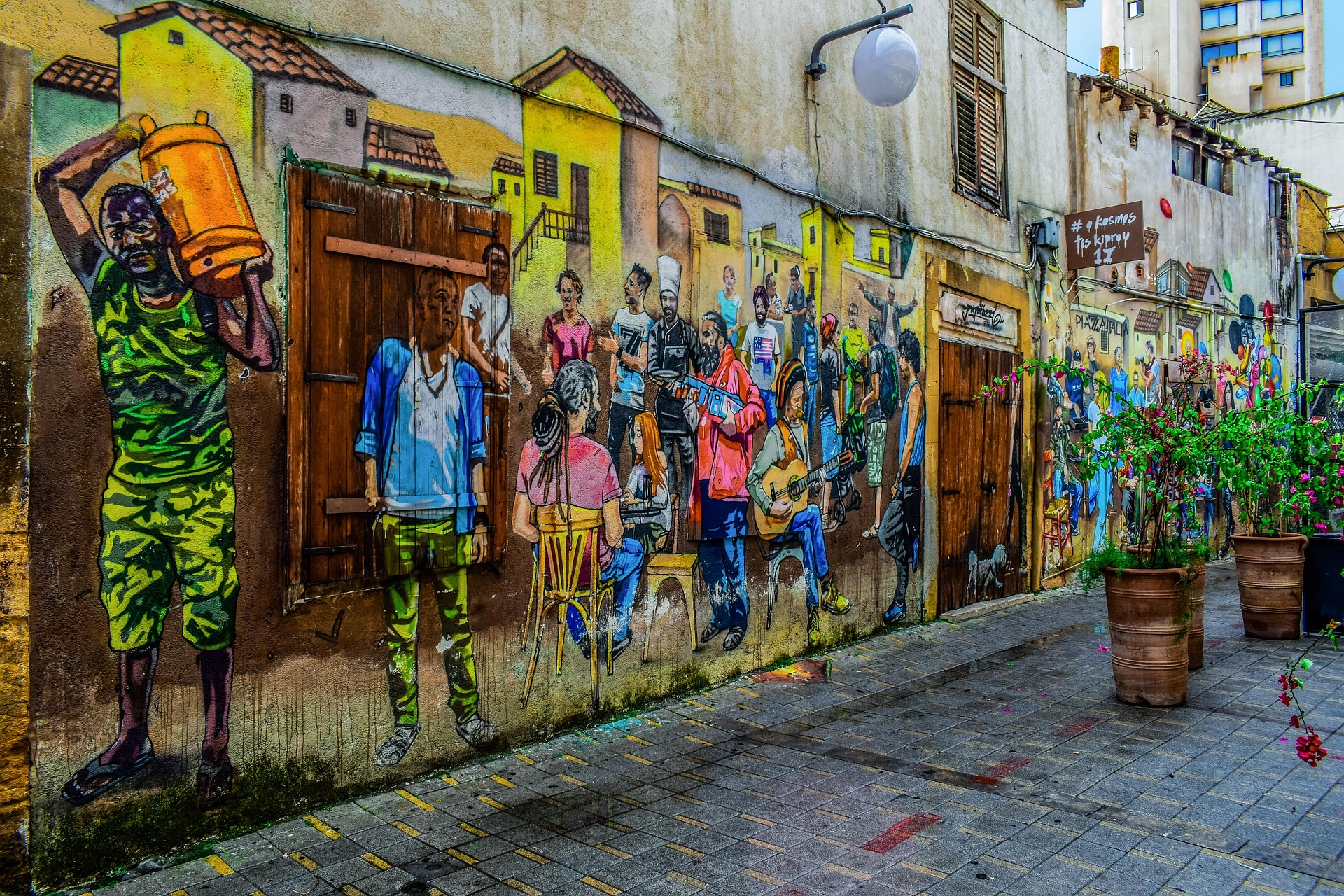
Nicosia, also known as Lefkosia or Lefkoşa, is most interesting cities for history and culture. Unlike the coastal resorts, Nicosia has no beaches, but it offers Venetian fortifications, museums, traditional neighbourhoods and a lively old centre. It is also known as Europe’s last divided capital, with the Green Line passing directly through the historic city.
Venetian Walls and the Old City
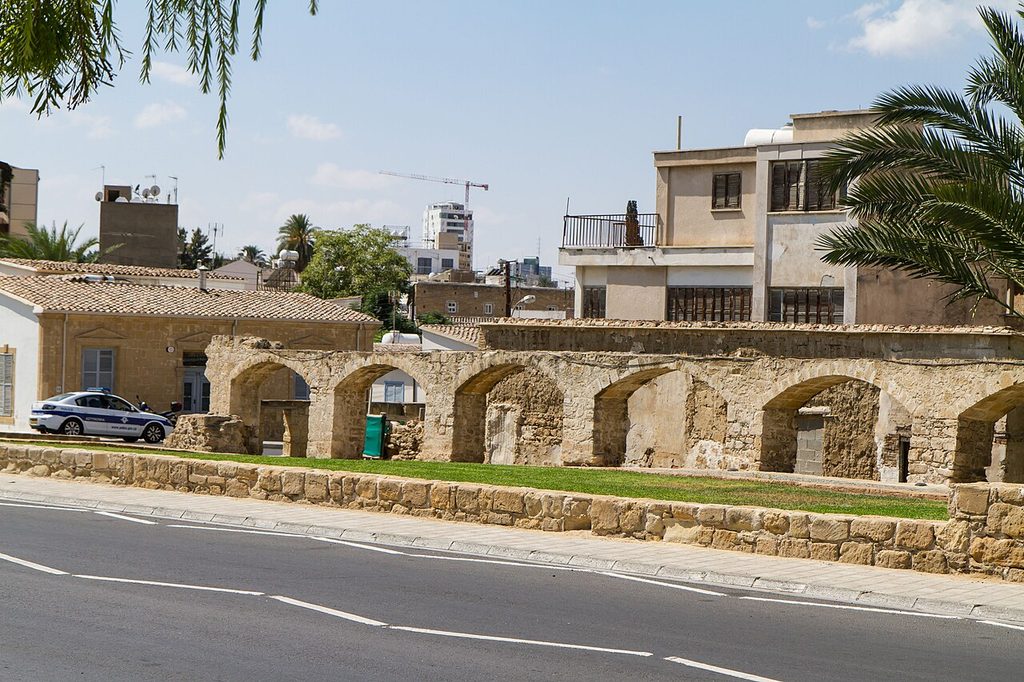
The historic centre is surrounded by impressive 16th-century Venetian walls, stretching for about 4.5 kilometres and reinforced by eleven large bastions. Three original gates – Famagusta Gate, Paphos Gate and Kyrenia Gate – still survive. Walking inside the walls is the best way to discover traditional houses, churches, small cafés and narrow streets away from modern traffic.
Start around Eleftheria Square, the modern entrance to the old city designed as a connection between contemporary Nicosia and the Venetian fortifications. From here, most of the central attractions can be reached comfortably on foot.
Ledra Street and the Green Line
Ledra Street is one of Nicosia’s main pedestrian streets, filled with shops, cafés and restaurants. What makes it unusual is the pedestrian crossing through the UN-controlled buffer zone, allowing travellers to walk between the southern and northern parts of the old city. Bring the travel document required for your nationality if you plan to cross.
Ledra and nearby Onasagorou Street are also good places to stop for coffee or dinner after sightseeing. The surrounding lanes make an interesting contrast between restored buildings, modern shops and reminders of the city’s complicated recent history.
Cyprus Museum
For anyone interested in ancient history, the Cyprus Museum is one of the most important places to visit in Nicosia. It is the island’s principal archaeological museum, with objects ranging from the Neolithic period to the early Byzantine era. Its collections include ancient sculpture, pottery, jewellery, coins and finds from archaeological sites across Cyprus.
Allow at least an hour for the museum, and considerably longer if archaeology is one of your main interests. It is located just outside the old city walls, so it is easy to combine with a walking tour of central Nicosia.
Büyük Han
On the northern side of the old city, Büyük Han is one of Nicosia’s most attractive historic buildings. This large Ottoman caravanserai was constructed in 1572 and is built around a peaceful central courtyard surrounded by two levels of stone arches. Today, its rooms contain craft workshops, small shops, cafés and restaurants.
It is a particularly pleasant place to take a break during a walking tour. The combination of Ottoman architecture, local crafts and shaded courtyard cafés gives Büyük Han a very different atmosphere from the modern streets only a few minutes away.
Selimiye Mosque
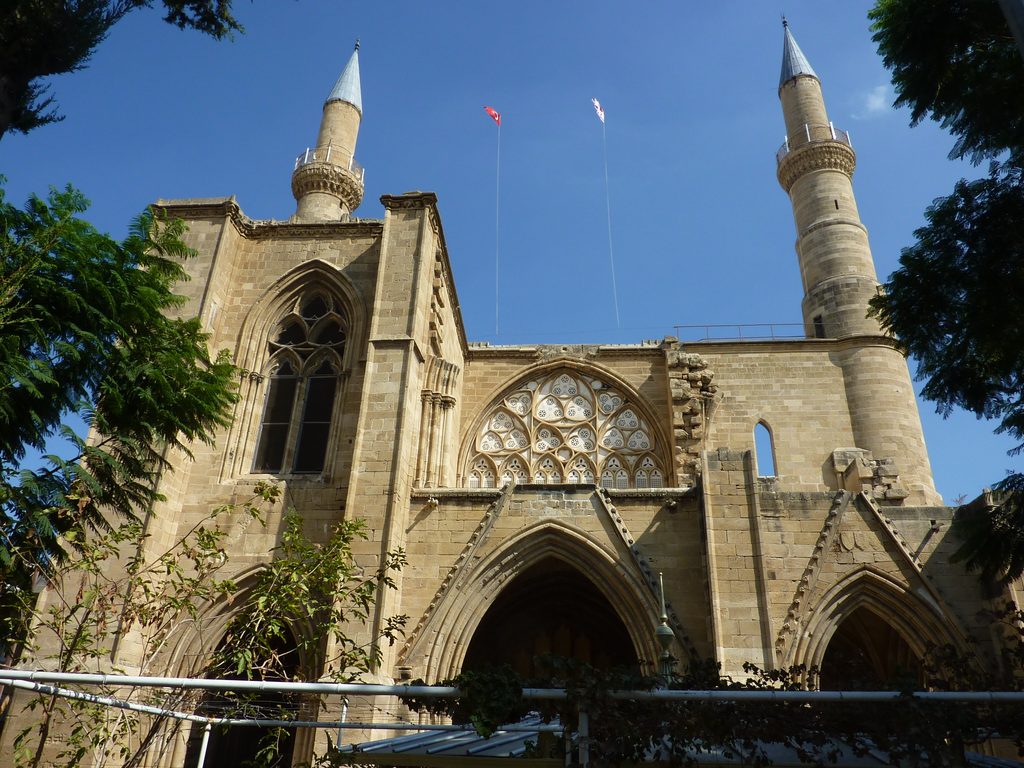
A short walk from Büyük Han stands the Selimiye Mosque, one of the city’s most recognisable monuments. The building began life as the Gothic Cathedral of Saint Sophia during the Lusignan period and was later converted into a mosque after the Ottoman conquest. Its tall Gothic structure combined with minarets is a striking visual reminder of the different periods in Nicosia’s history.
The surrounding quarter is also worth exploring slowly. Nearby you will find traditional streets, historic buildings and the Büyük Hamam, an Ottoman-era bathhouse.
Laiki Geitonia
Laiki Geitonia is a restored neighbourhood in the southern old city, known for narrow pedestrian lanes and traditional Cypriot architecture. Small shops sell local crafts and souvenirs, while cafés occupy old buildings with stone walls, wooden shutters and balconies. It is one of the easiest places to experience the atmosphere of older Nicosia without travelling far from the main shopping streets.
A simple central walking route can include:
- Eleftheria Square and the Venetian Walls;
- Laiki Geitonia and Ledra Street;
- the Green Line crossing;
- Büyük Han and Selimiye Mosque;
- the Cyprus Museum before or after the old-city walk.
Shacolas Tower Viewpoint
For a different perspective, visit the Shacolas Tower Museum and Observatory near Ledra Street. From the upper floor you can look across the rooftops of the old city, the Venetian walls and both sides of Nicosia. It is particularly useful at the beginning of a visit because the panoramic view makes the unusual layout of the divided city easier to understand.
Nicosia is relatively flat, so you do not normally get high viewpoints while walking through the centre. The tower therefore offers one of the simplest ways to see the city as a whole.
Driving in Nicosia and International Driving Permits
You do not need a car for the historic centre, but renting one is useful if Nicosia is part of a wider Cyprus road trip. Visitors from countries including the United States, Canada, Australia, Japan and the United Kingdom can use their national driving licence for up to six months; other non-European visitors may be subject to different rules, and an International Driving Permit can be required or useful depending on the licence and length of stay. Cyprus drives on the left-hand side of the road.
Is Nicosia Worth Visiting?
Nicosia is worth visiting if you want to understand Cyprus beyond its beaches and resorts. Few cities allow you to walk from Renaissance fortifications and archaeological collections to Ottoman courtyards and a modern international buffer zone within the space of a few kilometres.
For a first visit, prioritise the Venetian Walls, Ledra Street, the Cyprus Museum, Büyük Han and Selimiye Mosque. Most of these sights fit comfortably into one full day, although an overnight stay gives you more time to enjoy Nicosia’s restaurants and old streets after the day visitors have left.